
· by Administrator
Lake Eyasi, Tanzania: Discover a Hidden Gem of Culture and Nature
Introduction
Lake Eyasi is one of Tanzania’s most fascinating destinations, offering a unique combination of natural beauty, cultural heritage, and authentic local experiences. Located in northern Tanzania, southwest of the Ngorongoro Conservation Area, Lake Eyasi lies within the Great Rift Valley and is surrounded by beautiful hills, open plains, and traditional communities.
Unlike the famous Serengeti National Park, which is renowned for its wildlife and the Great Migration, Lake Eyasi is best known for its cultural experiences, particularly opportunities to learn about the traditional lifestyles of the Hadzabe and Datoga communities.
For travelers looking to explore a different side of Tanzania, Lake Eyasi is an excellent destination to include in a northern Tanzania safari.
1. The Natural Beauty of Lake Eyasi
Lake Eyasi is a shallow, seasonal, alkaline lake whose size changes depending on rainfall and evaporation. During wetter periods, the lake expands, while in the dry season, parts of the shoreline may become exposed.
The surrounding landscape features rugged hills, acacia woodlands, open grasslands, and dramatic views of the Great Rift Valley. The peaceful environment makes Lake Eyasi an attractive destination for nature lovers, photographers, and travelers seeking a quieter experience away from busy tourist areas.
Sunrise and sunset are particularly beautiful, offering opportunities to enjoy the changing colors of the landscape and observe birds around the lakeshore.
2. Meet the Hadzabe Community
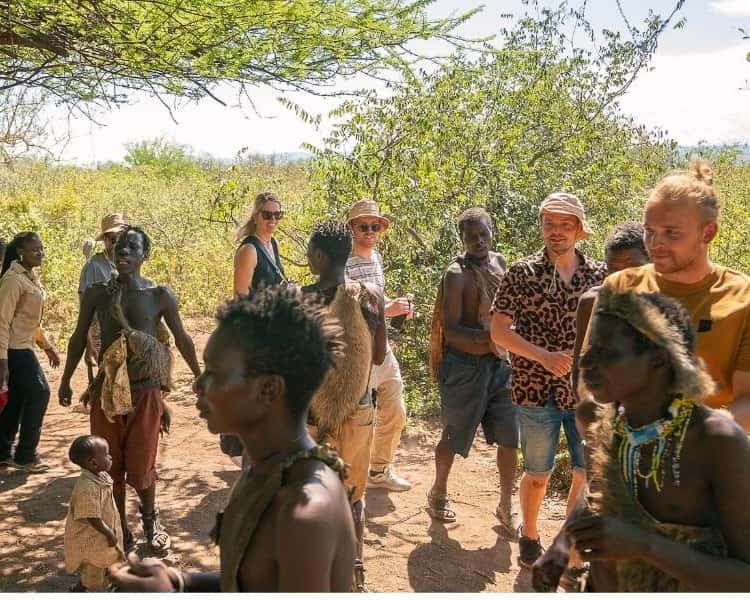
One of the main attractions of Lake Eyasi is the opportunity to learn about the Hadzabe, an Indigenous community known for its traditional hunter-gatherer lifestyle.
The Hadzabe have extensive knowledge of their natural environment and use traditional skills to obtain food and identify useful plants. During a locally guided cultural visit, travelers may learn about:
* Traditional hunting techniques using bows and arrows.
* Gathering wild fruits, roots, and edible plants.
* The Hadzabe language, which includes distinctive click consonants.
* Traditional knowledge of wildlife, plants, and the surrounding environment.
* Daily life and cultural practices within the community.
These experiences offer valuable insight into the relationship between people and nature. Visitors should respect community consent, cultural traditions, and individual preferences regarding photography.
3. Discover the Datoga Culture
The Datoga are another important community living around Lake Eyasi. Traditionally known for pastoralism and metalworking, the Datoga have a rich cultural heritage.
During a cultural visit, travelers may have the opportunity to learn about traditional blacksmithing, including how artisans make tools, jewelry, and other useful objects from metal. Visitors may also learn about cattle keeping, traditional clothing, family life, and the importance of livestock in Datoga society.
Meeting both the Hadzabe and Datoga provides a deeper appreciation of the different traditions and livelihoods found in northern Tanzania.
4. Birdwatching and Nature Exploration
Lake Eyasi attracts various bird species, particularly when water and suitable feeding habitats are available. Depending on the season, visitors may spot flamingos, pelicans, herons, storks, and other waterbirds.
The surrounding woodlands and grasslands also provide habitats for additional bird species and small wildlife.
Although Lake Eyasi is not primarily a big-game safari destination, its combination of birdlife, open landscapes, and cultural activities makes it a rewarding stop for travelers interested in nature and local heritage.
5. Best Time to Visit Lake Eyasi
Lake Eyasi can be visited throughout the year, but seasonal conditions influence the scenery, birdlife, and accessibility.
* June to October: Generally dry conditions make cultural excursions and road travel easier.
* November to December: The short rains may bring greener landscapes and changes in the lake's water levels.
* January to March: Warm conditions offer opportunities for cultural visits and nature exploration, depending on rainfall.
* March to May: The long rainy season can create muddy roads and make some areas more difficult to access.
The lake's appearance varies significantly throughout the year, so visitors should check local conditions when planning their trip.
6. Top Activities at Lake Eyasi
Lake Eyasi offers several memorable activities for visitors, including:
Cultural tours: Learn about the traditions and daily lives of the Hadzabe and Datoga with local guides.
Traditional hunting demonstrations: Discover traditional hunting techniques when community members agree to demonstrate them.
Blacksmithing experiences: Observe Datoga metalworking and learn about traditional craftsmanship.
Birdwatching: Look for seasonal waterbirds and other species around the lake.
Photography: Capture the lakeshore, surrounding hills, cultural activities, and beautiful morning or evening light, with permission where appropriate.
Nature walks: Explore suitable areas around the lake with a knowledgeable local guide.
These experiences make Lake Eyasi especially appealing to travelers seeking meaningful cultural encounters alongside scenic exploration.
7. Combining Lake Eyasi with a Northern Tanzania Safari
Lake Eyasi can be combined with several well-known destinations in northern Tanzania, making it an excellent addition to a multi-day safari.
Popular combinations include:
* Ngorongoro Crater: Famous for its remarkable wildlife and dramatic volcanic landscape.
* Serengeti National Park: Known for lions, elephants, cheetahs, leopards, and the Great Wildebeest Migration.
* Tarangire National Park: Famous for elephants, ancient baobab trees, and diverse wildlife.
* Lake Manyara National Park: Known for its scenic landscapes, birdlife, and varied habitats.
Travelers can combine wildlife viewing with cultural exploration for a more diverse and memorable Tanzanian adventure.
8 Why Visit Lake Eyasi?
Lake Eyasi offers an experience that goes beyond traditional wildlife safaris. It allows visitors to appreciate Tanzania's cultural diversity, learn about traditional knowledge, explore beautiful landscapes, and discover communities whose livelihoods have long been connected to the natural environment.
It is particularly suitable for cultural travelers, photographers, nature enthusiasts, and anyone wishing to experience a less-visited part of northern Tanzania.
By choosing responsible, community-led cultural tours, visitors can help support local livelihoods while ensuring that cultural encounters take place with respect and consent.
Conclusion
Lake Eyasi is a remarkable destination that combines natural beauty, cultural heritage, and authentic experiences in northern Tanzania. From learning about the Hadzabe hunter-gatherer traditions to discovering Datoga craftsmanship and observing seasonal birdlife, the area offers visitors a different perspective on the country.
Whether you are planning a dedicated cultural excursion or adding a cultural experience to a Serengeti and Ngorongoro safari, Lake Eyasi deserves a place on your Tanzania travel itinerary.
Plan Your Lake Eyasi Adventure with Earthwise Adventures
Discover the cultural heritage, scenic landscapes, and unforgettable experiences of Lake Eyasi with Earthwise Adventures. Let us help you plan a personalized Tanzania journey combining cultural tours, wildlife safaris, and natural attractions.
Contact us:
* Email: [email protected]
* Email: [email protected]
* Website: https://earthwiseadventures.com/
Earthwise Adventures — Discover Tanzania's wildlife, culture, and natural beauty.