
· by Administrator
Maasai Village in Tanzania: Discover the Rich Culture and Traditions of the Maasai People
Introduction
A visit to a Maasai village in Tanzania offers travelers a unique opportunity to discover one of East Africa's most recognizable cultural communities. Known for their distinctive clothing, colorful beadwork, traditional dances, and pastoral lifestyle, the Maasai have maintained many important cultural traditions while adapting to a changing world.
Maasai communities live across northern Tanzania and southern Kenya, particularly in areas surrounding famous destinations such as Arusha, Ngorongoro, Serengeti, and Lake Natron.
For travelers seeking more than wildlife viewing, a Maasai village visit offers an opportunity to learn about traditional life, local customs, family structures, livestock keeping, and the close relationship between people and their environment.
1 .Discover the Traditional Maasai Village
A traditional Maasai settlement is often called a boma. Depending on the community and location, a boma may consist of several family homes arranged within an enclosure designed to help protect people and livestock.
Traditional houses are commonly constructed using locally available materials such as wooden branches, grass, mud, and cow dung. Their design reflects practical knowledge of the local climate and available resources.
During a village visit, travelers may learn how homes are built, how families organize their daily activities, and how livestock plays an important role in community life.
Every Maasai community is different, and housing styles and daily routines vary according to local circumstances and individual preferences.
2. Maasai Culture and Traditions
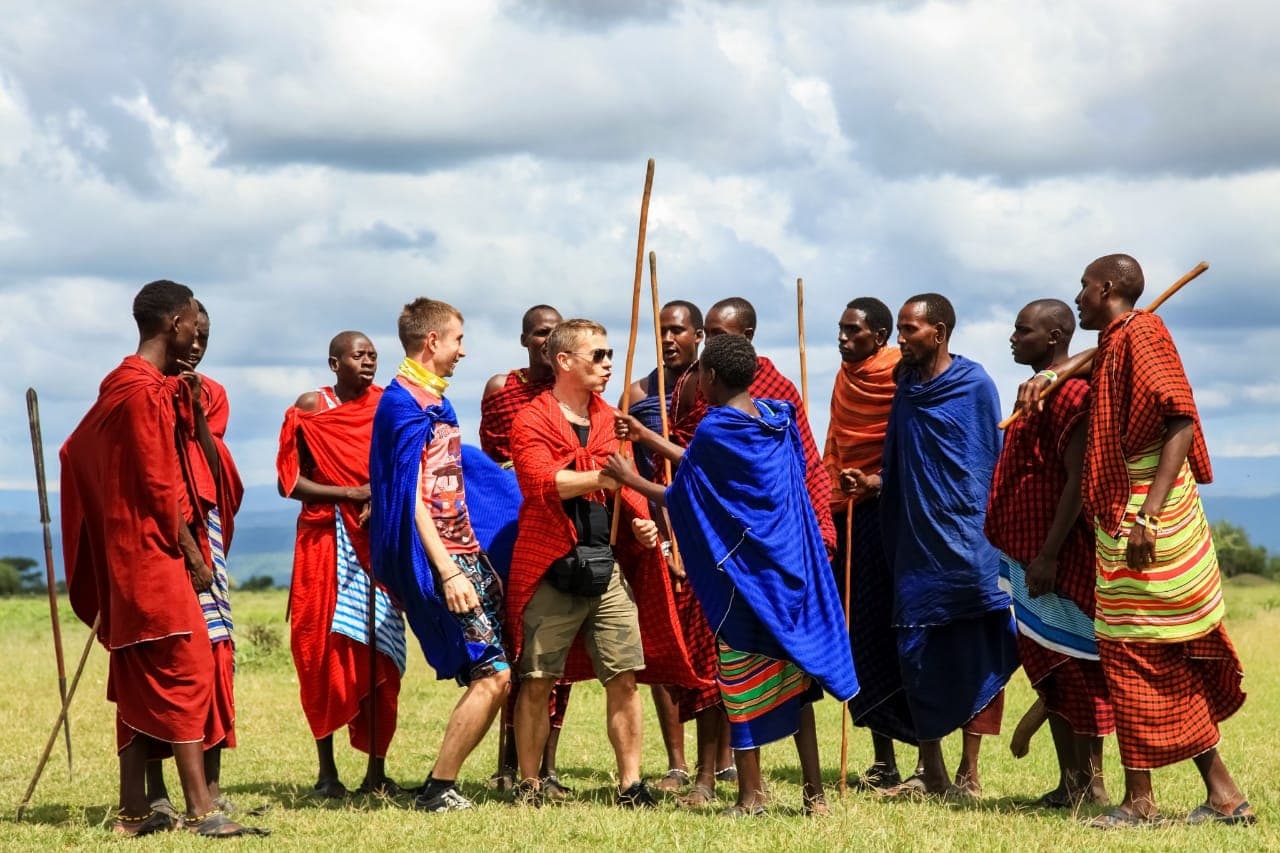
The Maasai are widely recognized for their distinctive cultural identity, which includes traditional clothing, jewelry, ceremonies, oral histories, and social customs.
Red is a prominent color in many Maasai garments, although other bright colors are also common. Traditional clothing and accessories can communicate aspects of personal style, cultural identity, and community belonging.
Visitors may have the opportunity to learn about traditional ceremonies, storytelling, songs, and customs from community members who choose to share their knowledge.
These cultural encounters provide a deeper understanding of the Maasai heritage and its continuing importance in modern Tanzania.
3 Traditional Maasai Clothing and Beadwork
Maasai clothing and beadwork are among the most recognizable features of Maasai cultural expression.
Many Maasai people wear brightly colored cloth, often called shúkà, while intricate beadwork is used to create necklaces, bracelets, earrings, and other accessories.
Beadwork is valued for its beauty and cultural significance. Colors, patterns, and designs may carry different meanings depending on the context and the person wearing them.
During a cultural visit, travelers may learn how beads are selected and arranged and how traditional craftsmanship is passed between generations.
Visitors can also support local artisans by purchasing handmade products directly from community members at agreed prices.
4. Traditional Maasai Dance and Music
Music, singing, and dance are important elements of many Maasai celebrations and cultural gatherings.
Visitors may be welcomed with traditional songs or have the opportunity to observe a cultural performance arranged with the community's agreement.
One well-known Maasai dance tradition involves rhythmic jumping by participants, particularly during certain group performances. Singing often features coordinated voices, rhythm, and movement.
These performances offer an engaging introduction to Maasai cultural expression, but visitors should remember that traditions are part of living community life rather than simply entertainment for tourists.
5. Cattle and the Maasai Way of Life
Livestock, especially cattle, has traditionally played a central role in Maasai society.
Cattle provide milk and other resources and have important social, economic, and cultural significance. Goats and sheep are also commonly kept.
A village visit may introduce travelers to pastoral practices, livestock care, traditional knowledge of grazing areas, and the challenges of raising animals in changing environmental conditions.
The Maasai's relationship with livestock reflects generations of experience living in the grasslands and semi-arid environments of East Africa.
Today, Maasai livelihoods vary considerably, with many families also participating in education, business, tourism, and other economic activities.
6. Maasai Food and Traditional Lifestyle
Food traditions vary among Maasai communities and individual households. Milk and other livestock products have traditionally been important, while other foods are also consumed depending on availability, location, and personal preference.
During an appropriate cultural visit, travelers may learn about food preparation, household activities, and the role of meals in family life.
Visitors should ask their hosts about any food experiences offered and respect local preferences and customs.
7. Meet the Maasai and Learn About Daily Life
A guided village visit can provide valuable opportunities to interact with Maasai community members and learn about their everyday experiences.
Depending on the community and the activities available, visitors may:
* Learn about traditional house construction.
* Discover the importance of cattle and other livestock.
* Observe beadwork and local craftsmanship.
* Listen to stories about Maasai history and traditions.
* Learn about clothing, ceremonies, and cultural identity.
* Explore local perspectives on education, tourism, and modern life.
The most meaningful visits allow time for conversation and questions while ensuring that community members decide what they wish to share.
Photography should always be undertaken with permission, and visitors should respect personal boundaries and cultural expectations.
8. Where to Visit a Maasai Village in Tanzania
Northern Tanzania offers several opportunities to learn about Maasai culture.
Arusha region: Cultural visits can be arranged in communities around the wider Arusha area, depending on local availability.
Ngorongoro Conservation Area: Maasai communities live within the conservation area, where pastoral livelihoods and wildlife conservation intersect.
Lake Natron: Visitors can learn about Maasai traditions in a landscape known for its alkaline lake, flamingos, and volcanic scenery.
Tarangire region: Some cultural experiences in the wider area introduce visitors to Maasai pastoral traditions and local livelihoods.
It is best to arrange visits through responsible local guides or community-based tourism initiatives that have permission to host visitors and share benefits fairly.
9. Best Time to Visit a Maasai Village
A Maasai village can generally be visited throughout the year. The best time depends on your travel itinerary, weather conditions, and the location of the community.
* June to October: The dry season is popular for northern Tanzania safaris and can be convenient for combining cultural visits with wildlife viewing.
* November to December: The short rains may bring greener landscapes, although some roads can become muddy.
* January to February: Often a good period for combining cultural experiences with other northern Tanzania destinations.
* March to May: The long rainy season can make travel more difficult in some areas.
Cultural visits should be arranged in advance where possible, and activities may vary according to community schedules and local conditions.
10. Combine a Maasai Village Visit with a Wildlife Safari
A Maasai village visit can be a wonderful addition to a northern Tanzania safari, creating a more diverse travel experience that combines nature, wildlife, and culture.
You can combine a cultural visit with:
* Serengeti National Park: Explore vast savannahs and search for lions, elephants, cheetahs, and other wildlife.
* Ngorongoro Crater: Discover one of Africa's most spectacular wildlife destinations.
* Tarangire National Park: Enjoy elephant sightings and impressive baobab landscapes.
* Lake Manyara National Park: Explore varied habitats and observe a range of bird species.
* Lake Natron: Discover volcanic scenery, seasonal flamingos, and local cultural heritage.
Combining these experiences allows travelers to appreciate both Tanzania's natural attractions and the cultural communities that form part of its living heritage.
11. Responsible and Respectful Cultural Tourism
Responsible tourism is essential when visiting a Maasai village. Cultural visits should respect the dignity, privacy, and choices of the people hosting travelers.
To make your visit more meaningful:
* Ask permission before taking photographs.
* Listen respectfully and avoid making assumptions about Maasai traditions.
* Choose community visits that provide fair economic benefits to local people.
* Purchase crafts directly from artisans when possible.
* Follow guidance from local hosts and guides.
* Remember that Maasai communities are diverse and continue to evolve.
A respectful approach helps create a positive experience for visitors and host communities alike.
Conclusion
A Maasai village visit is a memorable way to discover the cultural heritage of northern Tanzania. From traditional homes and colorful beadwork to music, storytelling, livestock keeping, and everyday family life, visitors can gain a deeper appreciation of the Maasai people's traditions and contemporary experiences.
Whether you are exploring Tanzania for the first time or returning for another safari, meeting Maasai community members can add a meaningful cultural dimension to your journey.
Plan Your Maasai Cultural Tour with Earthwise Adventures
Discover the rich traditions and hospitality of northern Tanzania through a cultural experience with Earthwise Adventures. Combine a Maasai village visit with wildlife safaris, nature excursions, and other unforgettable destinations.
Contact us to plan your Tanzania adventure:
* Email: [email protected]
* Email: [email protected]
* Website: www.earthwiseadvenrures.com
Earthwise Adventures — Discover Tanzania's wildlife, culture, and natural beauty.